German F1 Drivers
Credit: france24.com
Germany ranks second in the world in terms of F1 presence, accomplishments, and driver quality material, right after the UK.
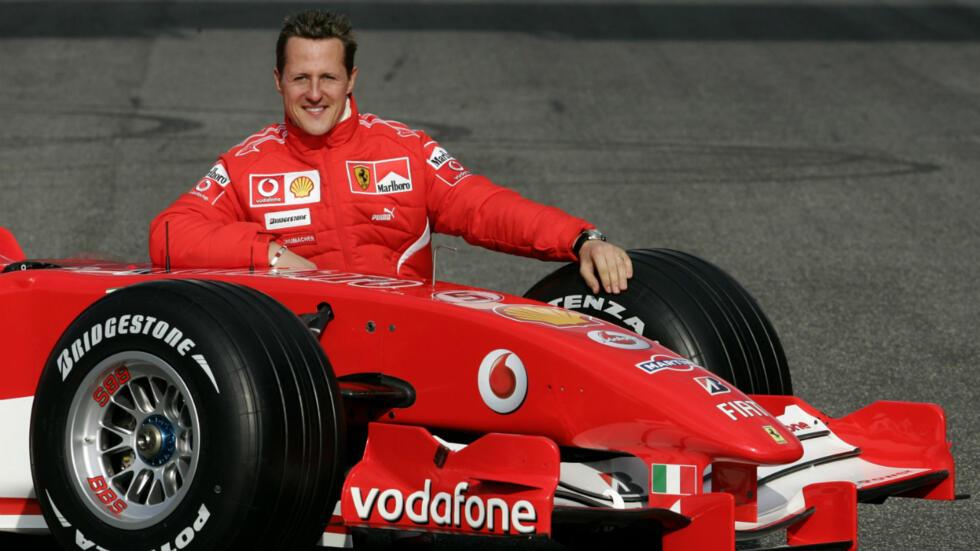
Anyone who hasn’t heard of Michael Schumacher has not heard of Formula 1, to begin with. But Germany’s impressive profile extends beyond just one legendary driver.
Let’s look at the country’s overall achievements to understand why you can’t talk about Formula 1 without mentioning Germany as well.
German Driver Performance Overview in F1
| Drivers | 54 |
|---|---|
| Grands Prix | 927 |
| Entries | 2415 |
| Starts | 2285 |
| Best Season Finish | 1 st (12 times: 1994, 1995, 2000, 2001, 2002, 2003, 2004, 2010, 2011, 2012, 2013, 2016) |
| Wins | 179 |
| Podiums | 415 |
| Pole Positions | 166 |
| Fastest Laps | 159 |
| Points | 7956 |
| First Entry | 1950 Italian Grand Prix |
| First Win | 1961 Dutch Grand Prix |
| Latest Win | 2019 Singapore Grand Prix |
| Latest Entry | 2024 Saudi Arabian Grand Prix |
| 2024 Drivers | Nico Hulkenberg |
This chart is absolutely impressive if you consider that all these records have been achieved by only 54 drivers. By comparison, the only other country that beats Germany on these stats is the UK, which has little over 11,000 points but 165 drivers.
This alone shows the potential, talent, and dedication of the German drivers and how their careers have shaped the F1 landscape.
While Michael Schumacher remains a world-renown icon who arguably did more for the German F1 than any other F1 driver in the world, the rest of the roster falls in the same ballpark.
Let’s have a look at the 10 of the most successful German F1 drivers throughout history.
Top 10 Most Successful and Influential German Drivers
Germany has produced the best the industry has to offer in terms of sheer talent and dedication. Here are the top 10 drivers to prove that:
| Drivers | Active Years | Entries | Wins | Podiums | Career Points | Poles | Fastest Laps | Championships |
|---|---|---|---|---|---|---|---|---|
| Michael Schumacher | 1991-2006 2010-2012 | 308 (306 starts) | 91 | 155 | 1566 | 68 | 77 | 7 (1994, 1995, 2000, 2001, 2002, 2003, 2004) |
| Sebastian Vettel | 2007-2022 | 300 (299 starts) | 53 | 122 | 3098 | 57 | 38 | 4 (2010, 2011, 2012, 2013) |
| Nico Eril Rosberg | 2006-2016 | 206 (206 starts) | 23 | 57 | 1594.5 | 30 | 20 | 1 (2006) |
| Ralf Schumacher | 1997-2007 | 182 (180 starts) | 6 | 27 | 329 | 6 | 8 | - |
| Heinz-Harald Frentzen | 1994-2003 | 160 (156 starts) | 3 | 18 | 174 | 2 | 6 | - |
| Wolfgang Von Trips | 1956-1961 | 29 (27 starts) | 2 | 6 | 56 | 1 | 0 | - |
| Jochen Mass | 1973-1980, 1982 | 114 (105 starts) | 1 | 8 | 71 | 0 | 2 | - |
| Nick Heidfeld | 2014-2015 | 185 (183 starts) | 0 | 13 | 259 | 1 | 2 | - |
| Karl Kling | 1954-1955 | 11 | 0 | 2 | 17 | 0 | 1 | - |
| Timo Glock | 2004, 2008-2012 | 95 (91 starts) | 0 | 3 | 51 | 0 | 1 | - |
The stats show it clearly: few drivers have been as prolific and accomplished as the German drivers. While Michael Schumacher leads the pack with an iron grip, all drivers are champion material. They’ve all left their mark on the German F1.
Sebastian Vettel carried Schumacher’s legacy for another decade, managing to rack up 53 wins, 122 podiums, and four championship wins.
Even drivers of the old guard, like Wolfgang Von Trips, managed to succeed in the highly competitive environment that was the early F1 ecosystem.
Next up, let’s look at the German drivers who’ve managed to steal at least one F1 championship.
How Many German Drivers Are Now on the Grid?
Credit: facts.net
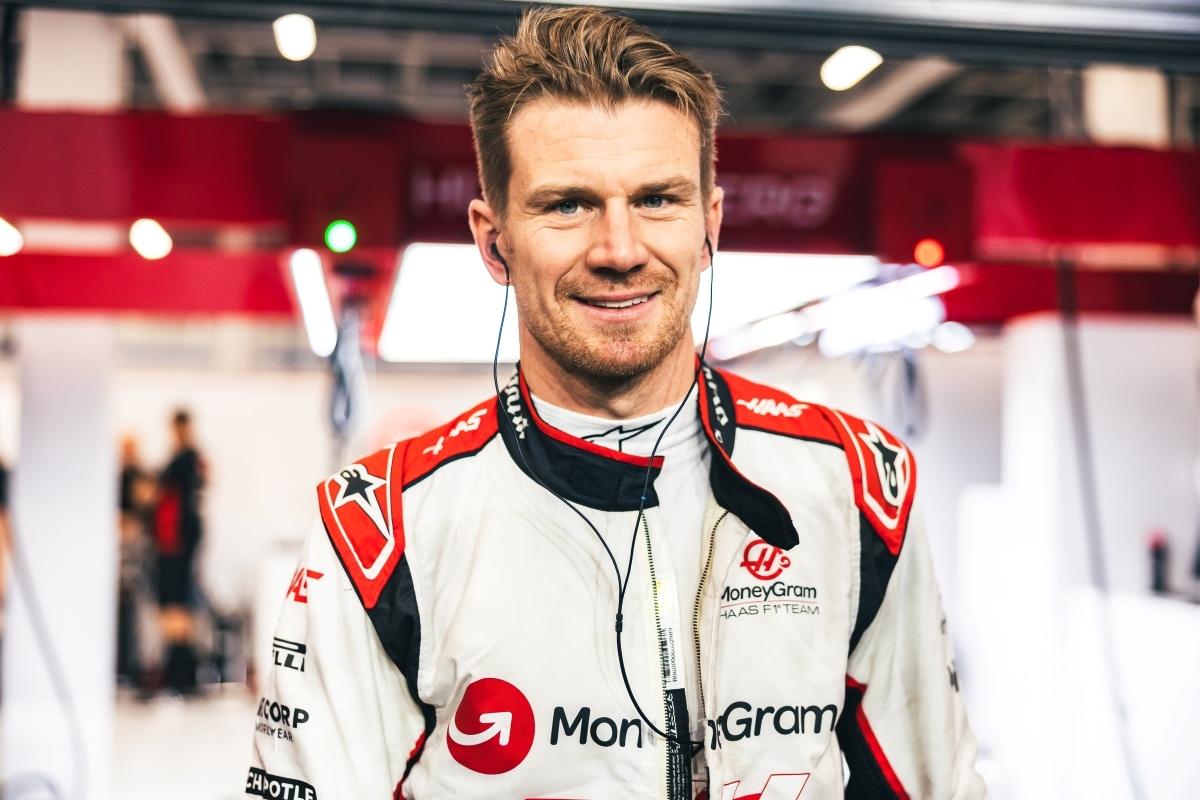
Germany has one driver on the 2024 roster: Nico Hulkenberg from Haas-Ferrari.
Nico Hulkenberg is 36 years old and currently stands at 531 career points and 205 start entries out of a total of 208. He has no championship or Grand Prix wins and got 16th place in 2023 with nine points.
Hulkenberg first entered Formula 1 in 2007 as a test driver for Williams. The two-day test had Hulkenberg beat William’s other driver, Kazuki Nakajima and recorded lap times of only 0.4 seconds slower than Nico Rosberg.
He was confirmed as a main driver for Williams in 2009, and his career progressed visibly fast from there.
His career hasn’t been exactly smooth, with him being involved in several circuit incidents, one of them involving Fernando Alonso in 2019.
The end of 2023 caught Hulkenberg in the 16th position, which wasn’t the best, but it wasn’t the worst, either. Hulkenberg was praised for his qualification performance.
This undoubtedly contributed to him being nominated for the 2024 season.
How Many German Drivers Have Won Championships?
Germany has produced three world champions in Formula 1: Michael Schumacher, Sebastian Vettel, and Nico Rosberg.
All three have been active around the same time, with Vettel and Nico sharing more time on the circuit after Schumacher’s retirement in 2012.
But let’s look at each driver’s profile and accomplishments to see who they are as men and professionals.
Michael Schumacher
Credit: dailymail.co.uk
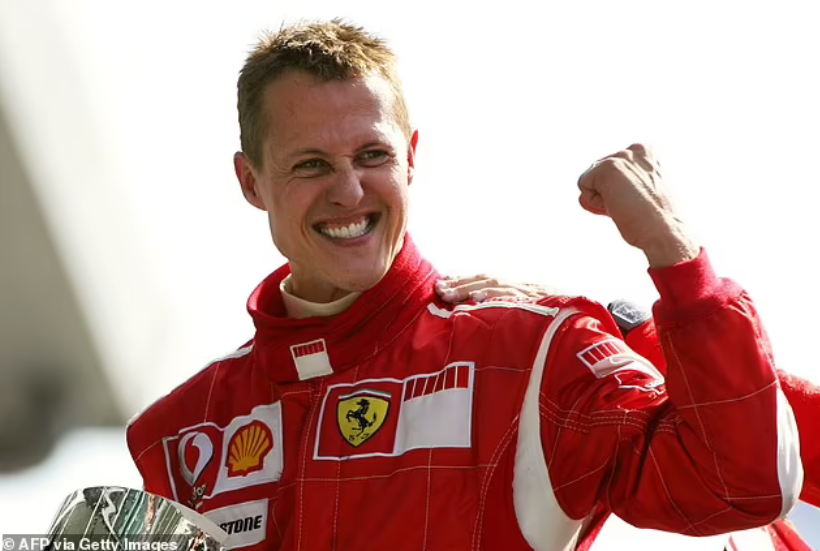
Michael Schumacher is the undisputed king of Formula 1, with an outstanding career stemming from humble beginnings. He was born into a modest family of working parents who supported their son along the way.
The young German prodigy won his first karting championship at the age of six, which set the stage for how Schumacher’s career would unfold.
He continued to rack up wins in karting for several years, including the 1987 European championship, until he transitioned into Formula 1.
His first appearance was at the Belgian Grand Prix when he signed with Benetton for the 1991 season.
The first two titles came in 1994 and 1995, and from that point on, his life changed forever. Schumacher would win five more championships, the last one in 2004, with several other modest accomplishments along the way.
He continued to remain active until his final retirement in 2012. The 2013 skiing accident was an unfortunate and tragic turn of events to an illustrious and legendary career.
Sebastian Vettel
Credit: scuderiafans.com
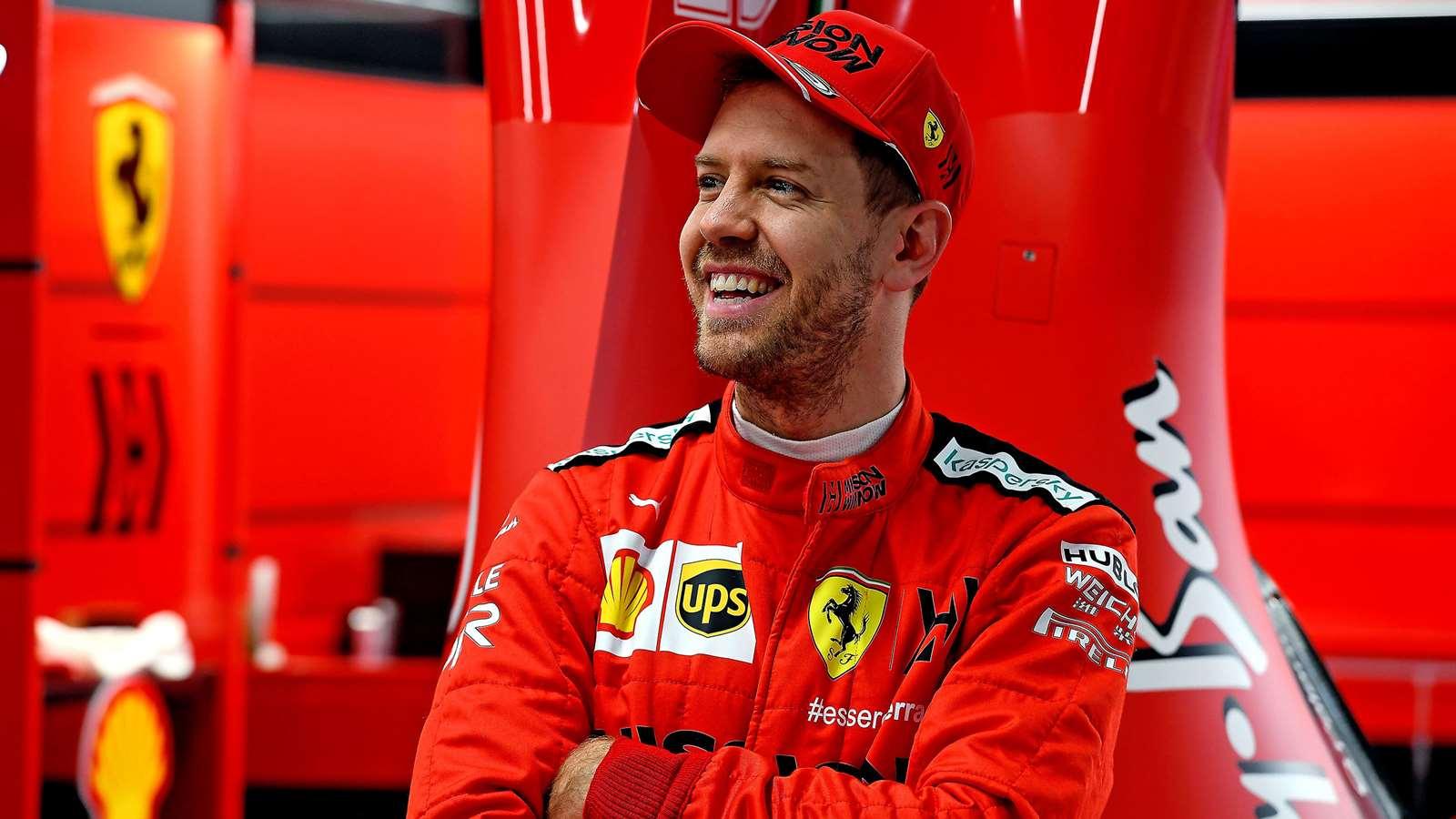
Sebastian Vettel’s career stretched across 15 years, between 2007 and 2022. Vettel’s first F1 appearance was during in 2006, when he qualified as a test driver for BMW Sauber.
His first recorded victory was two years later, in the Italian Grand Prix, which made him the youngest race winner at that time.
Sebastian Vettel showed early signs of talent, but his main interest was in music initially. Until he realized he had no voice and turned his attention towards karting, which he was already fond of for quite a while (since age three).
Vettel participated in his first official karting race at the age of eight in 1995 and got admitted into the Red Bull Junior Team three years later. He followed that up with several title wins, including the Junior Monaco Kart Cup in 2001.
Vettel’s first F1 appearance was in 2006, during the Turkish Grand Prix, at the age of 19. He set the fastest time during his second Friday practice session. This was one of the reasons why he was then confirmed as a race driver driver for the following year as well.
Since then, Sebastian Vettel has built a name for himself in the highly competitive Formula 1 sphere, managing to take four consecutive championships (2010-2013).
Sebastian Vettel’s impressive career and accomplishments even led the mass media to nickname him “Baby Schumi” following his win at the 2008 Italian Grand Prix.
This alone speaks volumes about the German driver’s talent and aptitudes.
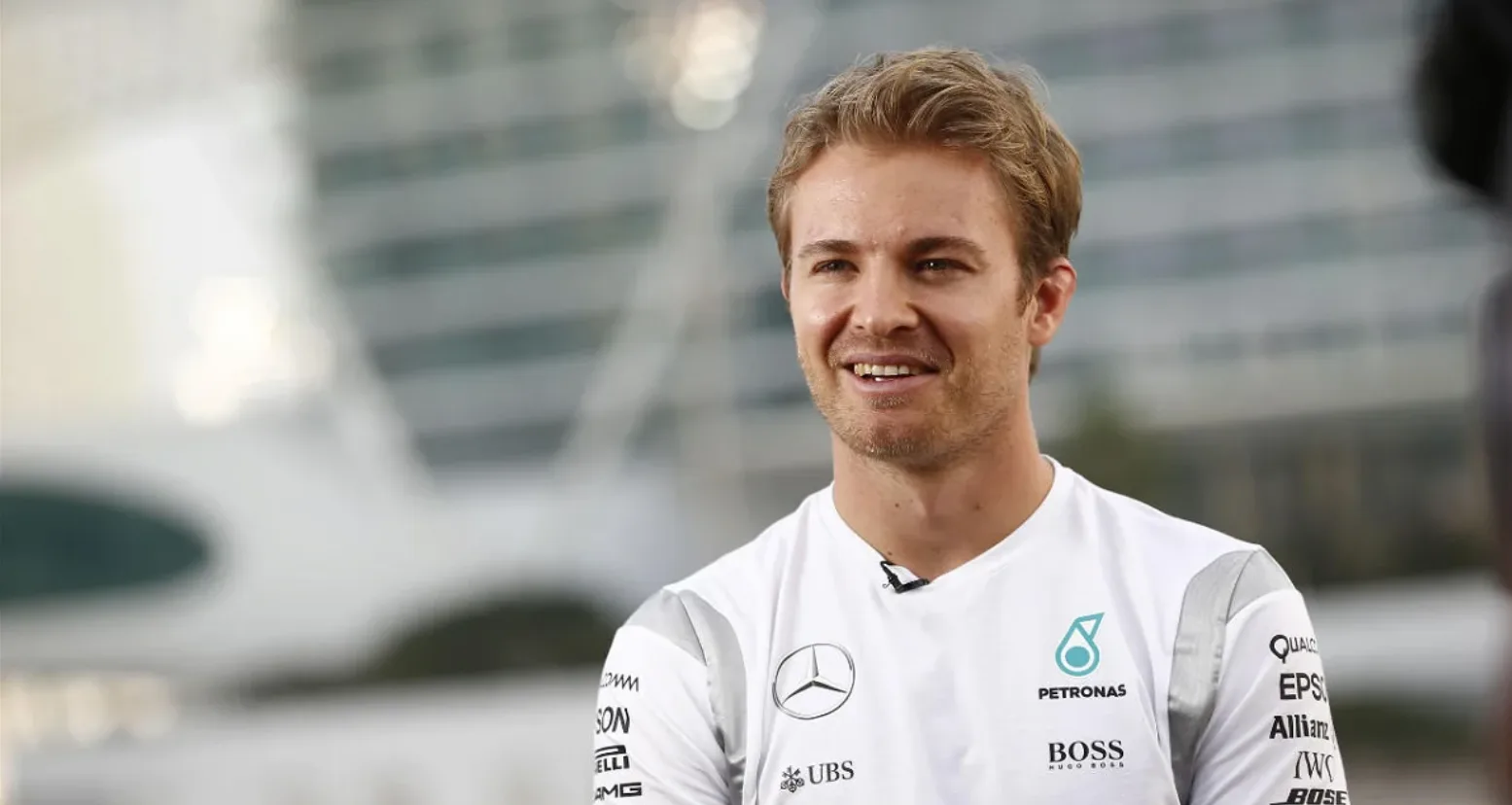
Nico Rosberg
Credit: essentiallysports.com
Nico Rosberg is another influential name in the Formula 1 space, showing early signs of talent and affinities for car racing.
His first experience behind the wheel was at the age of six, when he jumped into competitive karting. Rosberg is the son of former F1 world champion Keke Rosberg, which explains some of his natural inclination towards excellence.
Rosberg stuck with karting until the age of 16 when he transitioned to car racing and claimed the 2002 Formula BMW ADAC Championship after a streak of nine race wins. He then moved to Formula 3 and GP2 until 2006, when he made his F1 debut with Williams.
He managed to win the 2016 championship, defeating his teammate, Lewis Hamilton in the process.
Nico Rosberg retired only five days after the accomplishment, citing the need to spend more time with family. He left behind an undying legacy that joined the likes of Schumacher and Vettel.