What Is a Chicane in F1?
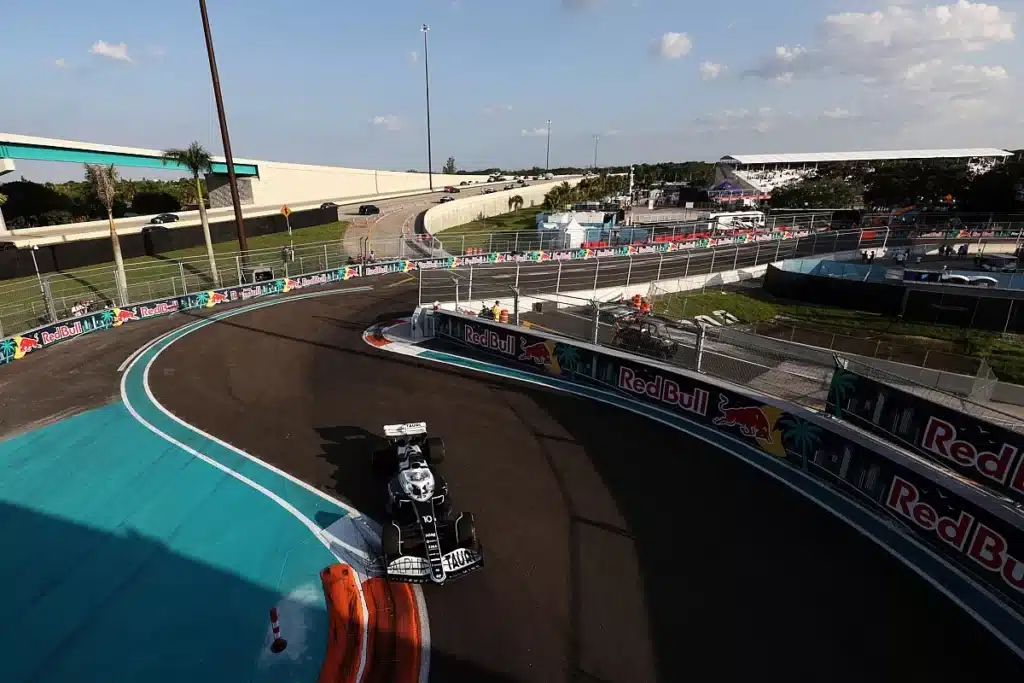
A chicane is a man-made curve in the track in the form of a tight sequence of corners. It’s usually a left-right or right-left corner combination that forces drivers to reduce speed and drive in alternate directions.
Chicanes are one of the most thrilling elements of Formula 1. When competitors blitz through them or engage in risky overtakes, the crowd goes wild.
The purpose of chicanes is multifold:
- Safety
- Skill
- Thrill
I’ll go into more details below where I’ll explain why chicanes exist, pros and cons, and go over some of the most popular chicanes in Formula 1!
What Is the Purpose of the Chicane in F1?
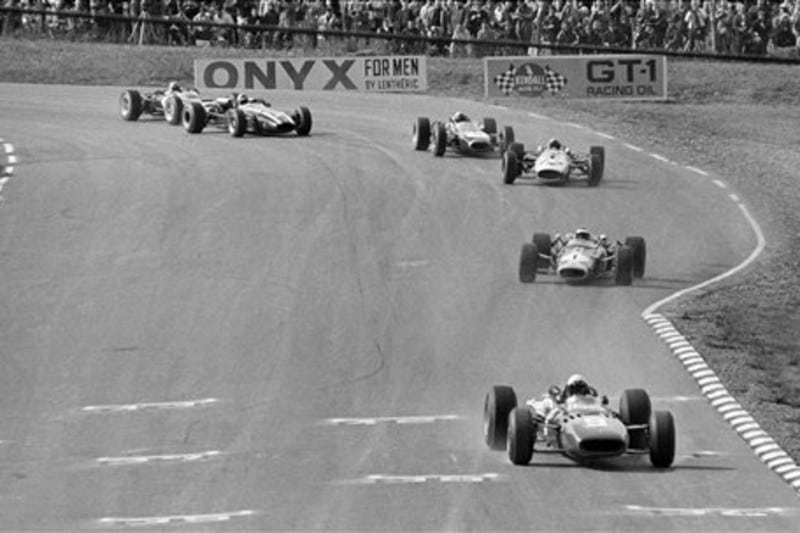
Chicanes were introduced in F1 for several reasons like safety, increased challenge, strategy, thrill, and more. Let’s go over each reason below:
1. Safety Concerns
Initially, the FIA introduced chicanes for safety concerns. In the early years of the sport, tracks typically consisted of long, high-speed straights with the occasional high speed corner here and there. The cars would have too much speed, which meant more severe accidents.
There was no safety car system back then, so to improve driver safety, the FIA broke up the straights and introduced chicanes, which are artificial tight corners. This forced the drivers to slow down, complete the chicane, and accelerate again.
Like this, the FIA could control the maximum speed that cars would achieve during specific sections of the circuit.
The same concept applies today. Safety was always the main factor that led to chicanes becoming a thing. Even though overall safety was not always a big concern historically speaking, in 2023 the driver sits front centre as the catalyst for most safety regulation changes.
But safety is not the only reason for the existence of chicanes!
2. Skill Ceiling
Another reason why chicanes were introduced is to create difficulties and test the driving skills of drivers. These chicanes require fine-tuning, precision, and a good understanding of the car’s handling to complete efficiently.
By introducing chicanes, the FIA effectively raised the skill ceiling for Formula 1 drivers, taking the sport to a higher level and increasing its competitiveness.
The technical challenge of driving through these tight corner sequences forces drivers to optimise their driving style, hone their skills, and find the fastest driving line through the high speed corners.
This means that drivers and teams have had to experiment and optimise their plays to improve their lap times:
- Trying out one or more tyres based on the track surface
- Optimising their fuel load
- Seeking to capture the best aerodynamic force and improve the car’s performance
- Learning to use less power in key sections of the track
- Learning to use long straights more strategically
- Devising a more optimal pit stop strategy
A good challenge has never hurt anyone, and this applies best in Formula 1 with the chicanes. Once they were introduced, the skill barrier showcased the truly talented drivers and helped them evolve further.
3. Overtaking Opportunities
Chicanes also present unique overtaking opportunities that the FIA accounted for when introducing them.
When entering chicanes, drivers slow down and begin manoeuvring through the corners but this opens up overtaking avenues on the slower cars.
With the right technique and manoeuvre, drivers can overtake one another and change the course of the game in a matter of seconds.
In fact, a single chicane can turn a seemingly lost race into a win if the runner-up showcases impressive driving skills in the chicane.
Fun fact - if a driver causes a collision in a chicane by trying to unfairly block an overtaking car, they may receive a time penalty or a drive-through penalty where they have to drive through the pit lane at reduced speeds and then rejoin the race.
4. Thrill and Spectacle
Chicanes were also introduced to add much-needed variety to races. The tight corners require drivers to constantly adapt, improvise, and react to racing conditions on-the-fly. This makes the races more unpredictable and more thrilling to spectators.
Slowing down, veering left and right, accelerating again, engaging in overtakes or defending against them, chicanes encourage all of these moves.
They create a sense of unexpected dynamism and unpredictability that ultimately lead to more engagement from fans.
And more engagement is always good because it attracts sponsors, which means more profits for everyone involved.
5. Strategic Thinking
Teams build entire strategies centred on the best ways to go through chicanes and overtake competitors.
There are also multiple aspects that go into these chicane strategies:
- Weather conditions
- Tyre wear
- Distance from nearby competitors
- Current speed
- Delta time
Chicanes are some of the most important nerve points in a team’s strategy for a Grand Prix, in fact. How fast (and safe) a driver navigates through them is a determining factor in their overall performance on the track.
Downsides of Chicanes
Chicanes also have their downsides, like:
- Reduced Flow – Chicanes slow down the natural rhythm of the race, forcing competitors to brake and interrupt the high-paced flow
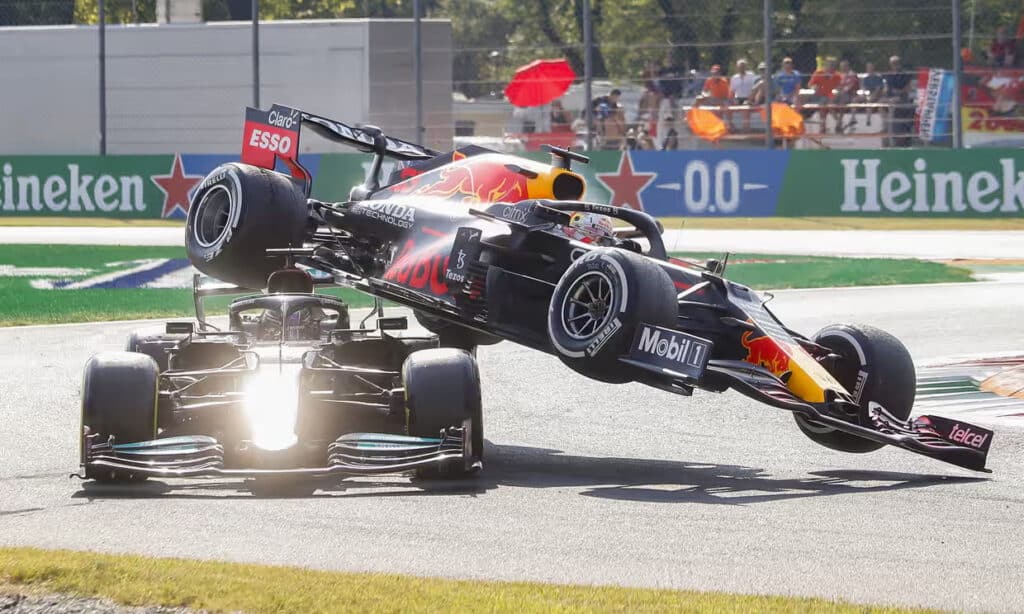
- Risk of Collisions – The tightly-packed corners in a chicane can be risky, especially when the race is just starting and the cars are all packed together. There’s an overall higher risk of collisions, and a good example is the crash between Max Verstappen and Lewis Hamilton at the Italian Grand Prix in 2023
- Impedes Drivers’ Potential – Some drivers have repeatedly complained about the way chicanes hinders their driving ability and doesn’t let them showcase the car’s full potential
Chicanes also need to go through a constant cycle of evolution as the technology used in F1 cars improves. Safety standards might change, which may require chicane layout to change as well.
The fact that there’s one more element that could change the racing landscape in unpredictable directions doesn’t sit too well with many, and it could be seen as a disadvantage.
But it’s extremely unlikely that chicanes will disappear from Formula 1, mainly because they keep drivers safe by forcing them to slow down.
Iconic Chicanes in Formula 1
Just as Formula 1 has its beloved Monaco and Silverstone tracks, there are also several chicanes that are infamous among drivers and fans alike.
Let’s go through some of them and see what makes them iconic:
1. Swimming Pool Chicane in Monaco
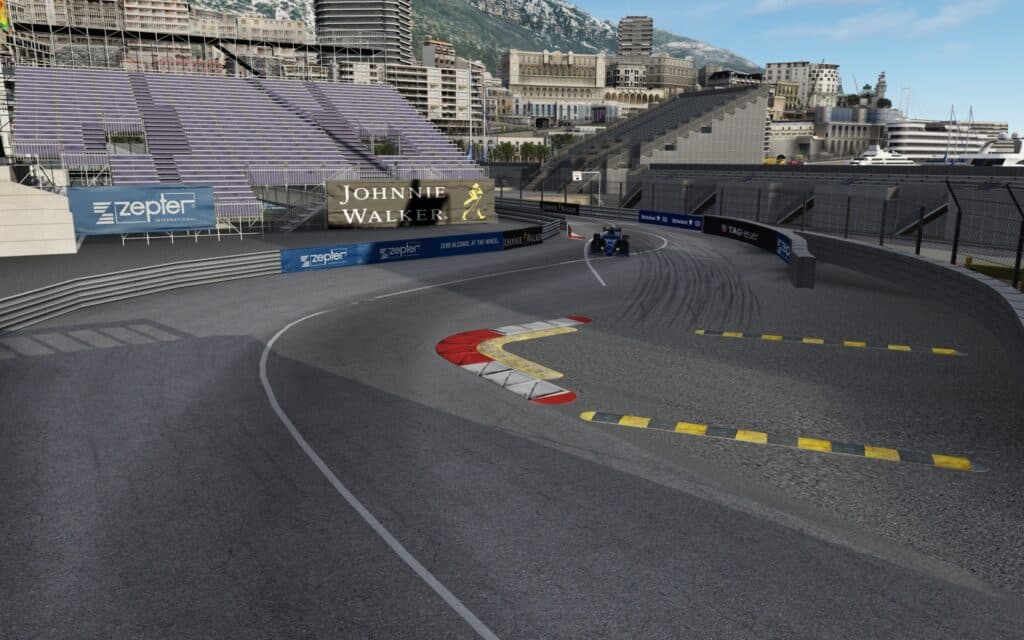
The Swimming Pool chicane at the Monaco Grand Prix is one of the trickiest on this list. The two tight turns go through a very narrow section of the track where the driver’s visibility is severely limited.
The Armco barriers are just waiting for a careless driver to crash into them. Watching the cars squirm through this chicane at high speed is one of the more exciting things you can witness in Formula 1.
The Swimming Pool chicane pushes the drivers’ skills and focus to the limit, and the slightest mistake can result in a crash.
2. Ascari Chicane in Monza
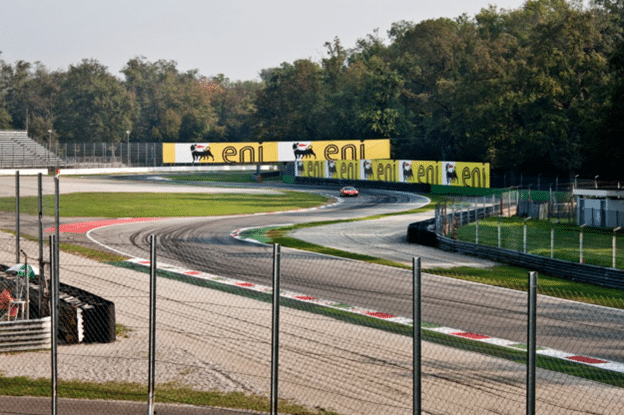
The Ascari Chicane in Monza, named after Italian legendary driver Alberto Ascari, is a three-turn combination of corners that demands every ounce of focus and skill from drivers.
This particular chicane has gained notoriety among drivers and commentators alike for being the section of the track that will likely decide the podiums.
It’s very difficult to finish the Ascari optimally, let alone try to overtake or defend a competitor from overtaking. Speed, precision, and a bit of a risk-taking attitude are necessary to clear this chicane perfectly.
3. The Wall of Champions Chicane in Montreal
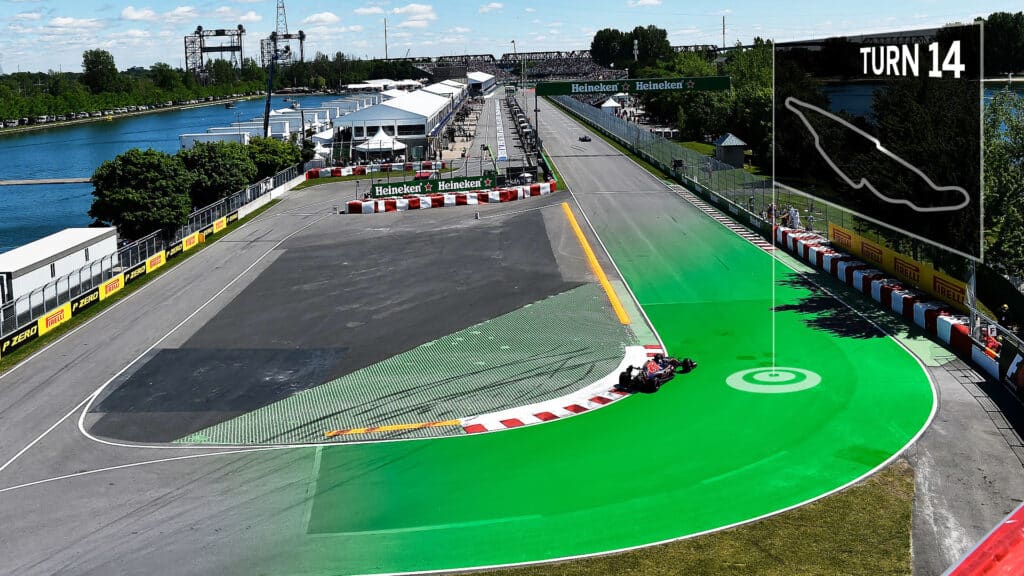
The Wall of Champions Chicane in Montreal, Canada, is located toward the end of the circuit, and it’s one of the more dangerous ones on this list.
The multiple turns are very difficult to clear at high-speed without crashing into the wall. Many champions have met this fate, hence the chicane’s name.
Drivers will regularly reach 211 mph (340 km/h) when approaching this chicane, which means they have very little time to brake and find a good racing line to follow.
There’s also a DRS zone here where drivers could use their drag reduction system, which means they will have a very low error tolerance. The outside pit wall has claimed many victims over the years…
Evolution of Chicanes
Chicanes haven’t always looked as majestic or dangerous as today. Over the years, they’ve changed, evolved, and become the infamous corners you know and love.
Here’s a historic overview of chicanes over the years:
- 1960s – 1980s: This is when chicanes were first introduced for safety concerns, mainly
- 1990s – 2000s: Strategic chicanes started being implemented that encouraged drivers to overtake and engage in tactical manoeuvres
- 2000s – present: Chicanes slowly adapted to modern F1 technologies, including tyres, aerodynamics, and overall car performance. The FIA kept modifying the chicanes to balance out top speed, downforce, and safety
Overall, there was a trend toward strategic and variable corners that tested the drivers’ skills and created spectacle over the years.
Safety was still the main emphasis but not the only one. Some corners are now tight and technical, while others are more flexible and free-flowing, allowing for a lot of variability in track performance.
The track layouts and barrier configurations also went through numerous modifications to improve overall safety, as well as the car design, the tyre compound, and more.
Track regulations underwent modifications as well, which also altered the shape, design, and purpose of the chicanes.
At present, chicanes are designed in such a way to showcase the drivers’ intense battles, strategic thinking, and fiery rivalry.
Conclusion
Formula 1 wouldn’t be nearly as exciting without the high-risk, high-reward chicanes that test the mettle of any driver passing through.
To summarise, chicanes are man-made curves and sequences of corners in the track that are designed for safety reasons, overtaking opportunities, and spectacle.
While they do have their downsides, they’re an integral part of the sport that won’t ever go away. They keep evolving, becoming ever safer and more thrilling for drivers and spectators alike!